Get Backflow Preventer Installation
Backflow preventer installation services help property owners protect drinking water by preventing contamination caused by backflow issues, typically involving plumbing and irrigation system projects.
If you are considering backflow preventer installation for your property, you are in the right place to start exploring your options. Proper installation of these devices is essential for maintaining the safety and quality of your water supply, especially in areas where local regulations or health standards require protection against contamination. Property owners often seek out professional services to ensure the job is done correctly and in accordance with local codes, making it a practical step toward safeguarding your water system.
This page provides a helpful resource for comparing local contractors who specialize in backflow preventer installation. Whether you are planning a new installation or updating an existing system, understanding your choices can help you make informed decisions. Keep reading to learn more about how experienced service providers in your area can assist with your project and ensure the work meets your property’s needs.
- Backflow Preventer Installation - needed when installing a new backflow preventer to protect your drinking water.
- Backflow Device Replacement - required when existing backflow preventers fail or become outdated.
- Backflow Testing Services - necessary to ensure your backflow preventer is functioning properly and compliant.
- Backflow System Maintenance - essential for ongoing protection of your water supply and to prevent contamination.
- Backflow Prevention Upgrades - needed when upgrading older systems to meet current safety standards.

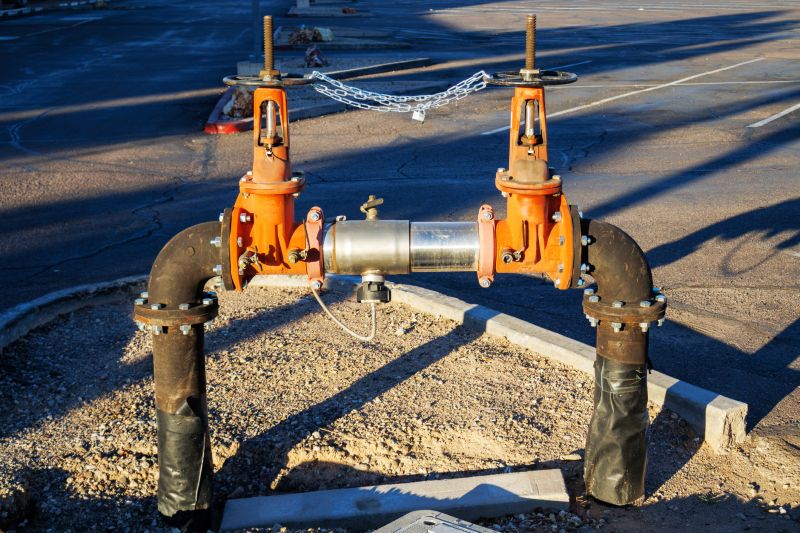
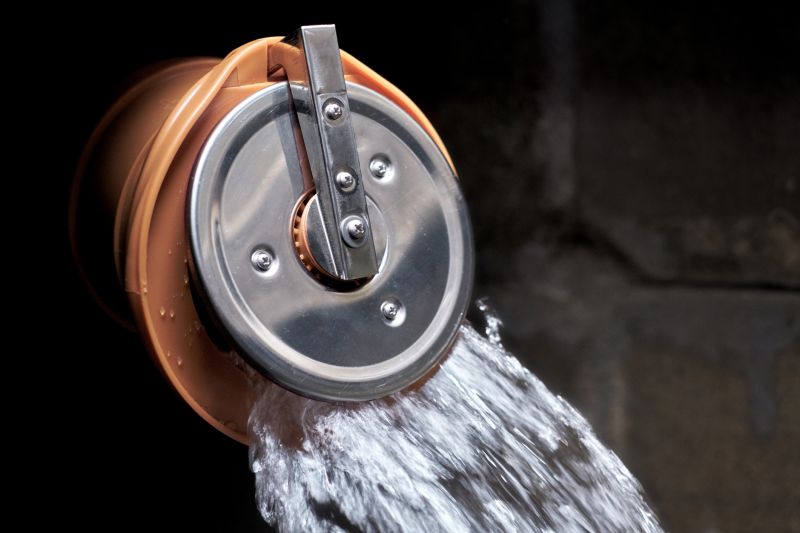
Backflow preventer installation services involve setting up a device designed to keep contaminated water from flowing back into the clean water supply. These systems are typically installed at points where water lines connect to a property, such as at the main water line or irrigation systems. Proper installation ensures that any potential backpressure or back-siphonage is prevented, safeguarding the water used for drinking, cooking, and other household needs. Local contractors who specialize in backflow preventer installation can assess a property's plumbing setup and recommend the right device to meet safety standards and local regulations.
Many common plumbing problems can be addressed or prevented with a backflow preventer. For example, if there is a risk of cross-contamination from irrigation systems, fire suppression lines, or nearby industrial processes, a backflow preventer acts as a barrier. This device helps prevent pollutants, chemicals, or bacteria from entering the potable water supply, which can be especially important during heavy rainfall, plumbing repairs, or system malfunctions. Installing a backflow preventer is a proactive step to avoid costly water contamination issues that could impact health and property.
Properties that typically benefit from backflow preventer installation include residential homes, commercial buildings, and multi-unit complexes. Homes with irrigation systems, well water supplies, or swimming pools often require these devices to ensure water safety. Commercial properties such as restaurants, hospitals, and factories may also need backflow preventers to comply with health codes and protect public water systems. In general, any property with a connection to a public water supply that has the potential for cross-connection or contamination can be a suitable candidate for this service.
When considering backflow preventer installation, property owners should understand that the service involves selecting the appropriate device and ensuring it is correctly installed at the right location. This helps address issues like back-siphonage or backpressure, which can cause contaminated water to flow into the clean supply. Local service providers are equipped to evaluate the specific needs of a property and recommend suitable solutions. Contacting experienced contractors for this work can help ensure the system is properly installed, providing peace of mind that the water supply remains safe and uncontaminated.
The overview below groups typical Backflow Preventer Installation projects into broad ranges so you can see how smaller, mid-sized, and larger jobs often compare in your area.
In many markets, a large share of routine jobs stays in the lower and middle ranges, while only a smaller percentage of projects moves into the highest bands when the work is more complex or site conditions are harder than average.
Smaller Repairs - Many routine backflow preventer repairs or adjustments typically cost between $250 and $600. Most projects in this range involve minor fixes or maintenance tasks that local contractors handle regularly.
Standard Installations - Installing a new backflow preventer usually falls within the $600-$1,500 range. Many standard projects are completed within this band, though costs can vary based on system complexity and site conditions.
Full Replacement - Replacing an existing backflow preventer with a new unit generally costs between $1,500 and $3,000. Larger or more complex projects, such as those involving extensive plumbing work, can reach $3,500 or more.
Complex or Commercial Projects - Larger, more complex backflow prevention systems for commercial properties can exceed $5,000. These projects are less common and typically involve specialized equipment and extensive installation work.
Actual totals will depend on details like access to the work area, the scope of the project, and the materials selected, so use these as general starting points rather than exact figures.
Irrigation System Installation - installing irrigation systems involves plumbing skills and planning similar to backflow preventer installation to ensure proper water flow and prevent contamination.
Water Line Replacement - replacing or repairing water lines requires knowledge of plumbing systems and careful planning, paralleling the skills used in installing backflow preventers.
Sprinkler System Setup - setting up sprinkler systems involves underground piping and water control components, which are related to the work of backflow prevention devices.
Plumbing Fixture Installation - installing fixtures such as sinks and toilets shares plumbing expertise and attention to water safety, relevant to backflow preventer services.
Water Meter Installation - installing or replacing water meters involves precise plumbing connections and system integration similar to backflow preventer setup.
Storm Drainage System Projects - designing and installing storm drainage requires planning and plumbing skills that complement the knowledge needed for backflow prevention systems.
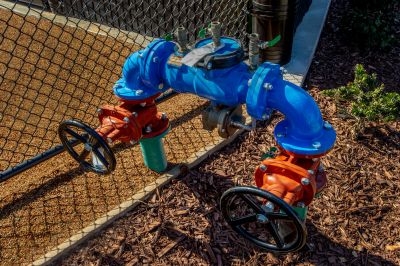
When comparing service providers for backflow preventer installation, it’s important to consider their experience with similar projects. Homeowners should look for local contractors who have a proven track record of successfully completing backflow preventer installations in residential settings. An experienced professional will be familiar with common installation challenges and best practices, which can contribute to a smoother process and reliable results. Asking for details about their previous work or examples of completed projects can help gauge their familiarity with the specific requirements of backflow preventer systems.
Clear, written expectations are essential when evaluating potential service providers. Homeowners should seek detailed descriptions of what the installation process involves, including any preparations needed and what the customer can expect throughout the project. A reputable local contractor will be transparent about their scope of work and provide documentation that outlines the services offered. This clarity helps ensure that everyone is on the same page and reduces the likelihood of misunderstandings or surprises once the work begins.
Good communication and reputable references are key indicators of a reliable service provider. Homeowners can ask for references from previous clients who had similar work done and follow up to learn about their experiences. Additionally, responsive and clear communication from the contractor during the inquiry process can reflect their professionalism and commitment to customer service. Remember, the goal is to find local professionals who are easy to work with, demonstrate transparency, and have a history of positive interactions with past clients.
Property owners use Backflow Preventer Installation services for practical projects around their homes and businesses. This guide focuses on everyday jobs and straightforward project options.
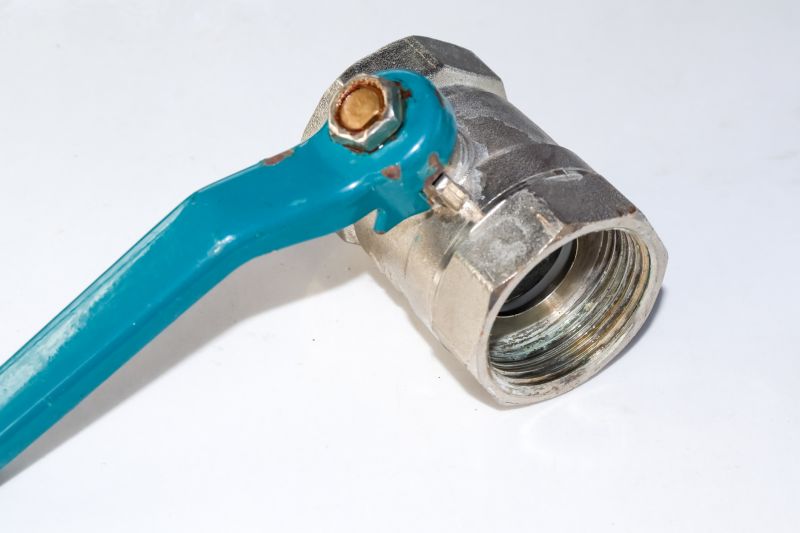
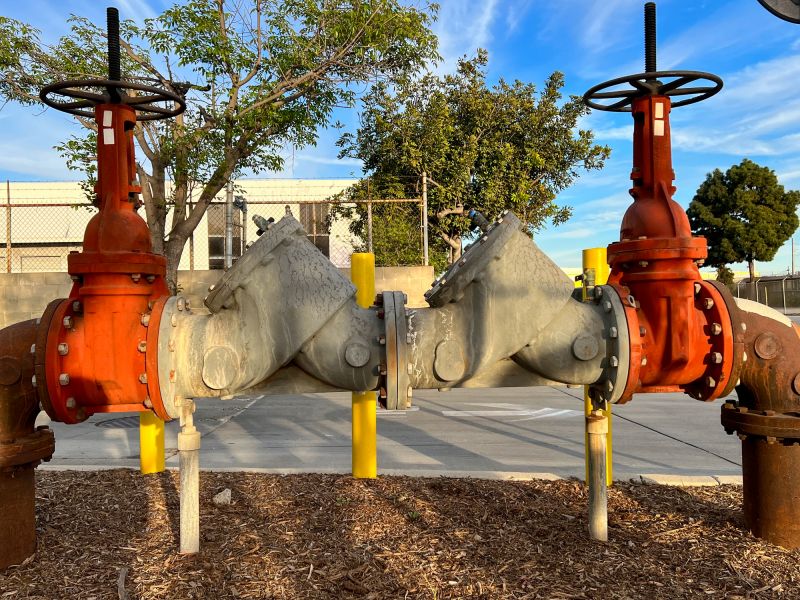
Backflow preventer installation is a common service needed when property owners want to ensure their drinking water remains free from contamination. Local contractors are frequently called upon for projects such as upgrading or replacing outdated devices, especially in older buildings or areas with new development. These professionals can help address concerns about potential backflow issues caused by changes in water pressure or nearby construction activities, providing peace of mind that the property’s water supply remains safe and compliant with local regulations.
Property owners might seek backflow preventer installation services after noticing signs of water system problems or following routine inspections. Additionally, new property development, renovations, or connections to public water systems often require the installation of backflow prevention devices. Local service providers are equipped to handle these projects efficiently, ensuring that systems are properly installed to prevent any reverse flow of contaminated water into the main supply.
What is a backflow preventer? A backflow preventer is a device installed in plumbing systems to prevent contaminated water from flowing back into the clean water supply.
Why should I consider professional backflow preventer installation? Hiring local contractors ensures the device is installed correctly and complies with local plumbing codes and standards.
How do I know if I need a backflow preventer? A professional can assess your plumbing system and determine if a backflow preventer is necessary based on your property’s water usage and local regulations.
What types of backflow preventers are available? There are various types, such as atmospheric vacuum breakers and double check valves, which local service providers can recommend based on your needs.
Can I install a backflow preventer myself? It is recommended to have a qualified local contractor handle installation to ensure proper setup and compliance with safety standards.
Backflow Preventer Installation for Residential Safety - Protect household drinking water by installing backflow preventers to stop contamination from external sources.
Prevent Water Contamination in Commercial Properties - Ensure business water supplies remain safe by having local contractors install backflow preventers in plumbing systems.
Upgrade Plumbing Systems in Older Homes - Modernize existing plumbing to meet safety standards and prevent backflow issues with professional installation services.
Prepare for Property Inspections and Compliance - Install backflow preventers to meet local regulations and pass routine plumbing inspections smoothly.
If you are thinking about Backflow Preventer Installation for a property, this guide is meant to help you understand the work, the typical project types, and how different options might fit your plans.
When you are ready, you can use the quote form on this page to share a few details about your project. From there, local pros can review the basics and respond with options that match what you have in mind.